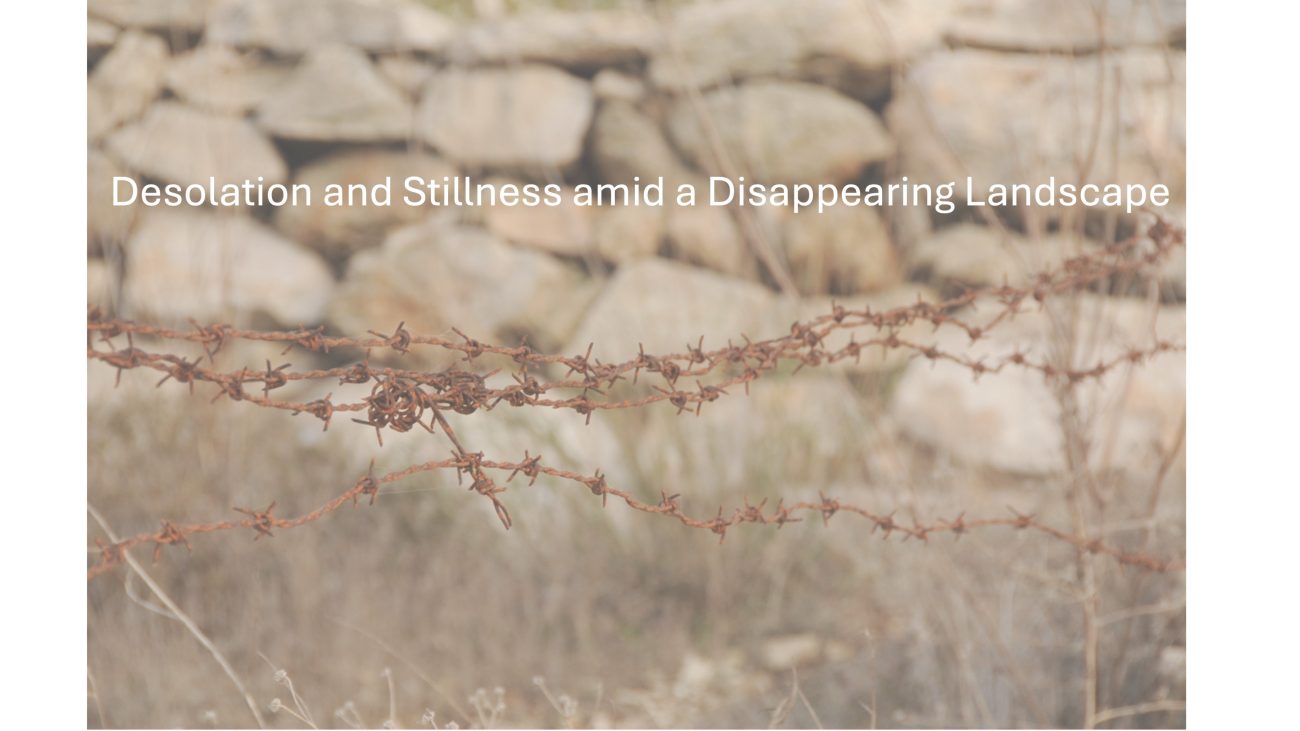
Over the last two and a half years, at the time of writing in early 2026, I have been in deep reflection of my time spent in Palestine during repeated stays over a period of nearly twenty years. Every visit, the political situations, feelings of hope or despair and levels of (im)mobility differed. The only constant has been the hospitality of the people. Life under occupation is characterised not only by a lack of agency in having control over one’s own life and situation, but also a profound sense of uncertainty. Over the years I have watched villages that I have stayed and worked in disappear amid settler-colonial expansion, new technologies such as drones and AI employed in regulating peoples’ everyday lives and movement, and an ever-increasing anxiety of uprootedness and impending displacement. Amid the uncertainty and unsettling and chaotic moments of colonial violence, there is a stillness of the air and landscape which remain unchanging.
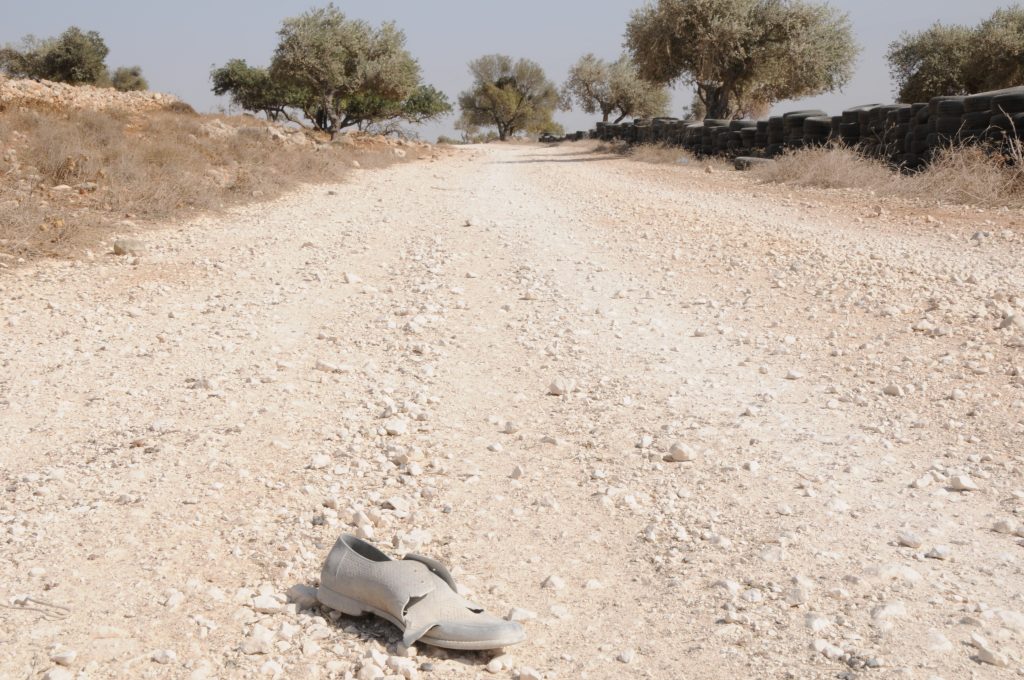
A child’s shoe abandoned on a road leading to the village Yanoun. The village had long been surrounded by a settlement and faced violence and harassment for decades. The last residents remaining in the village were forced to leave in late 2025 due to settler violence and Israeli military policies. I have memories in Yanoun harvesting olives and almonds with local families.
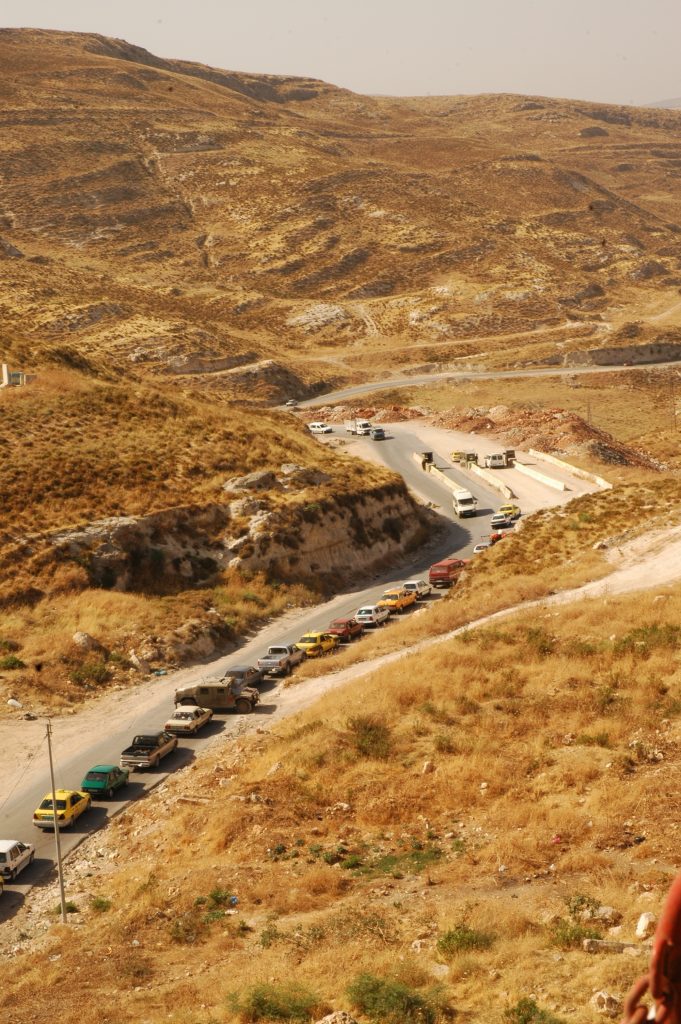
A ‘flying checkpoint’ suddenly appears severing mobility and preventing families from returning to their homes. Violence and humiliation at checkpoints are common experiences and contribute to the anxiety and uncertainty in navigating everyday life.
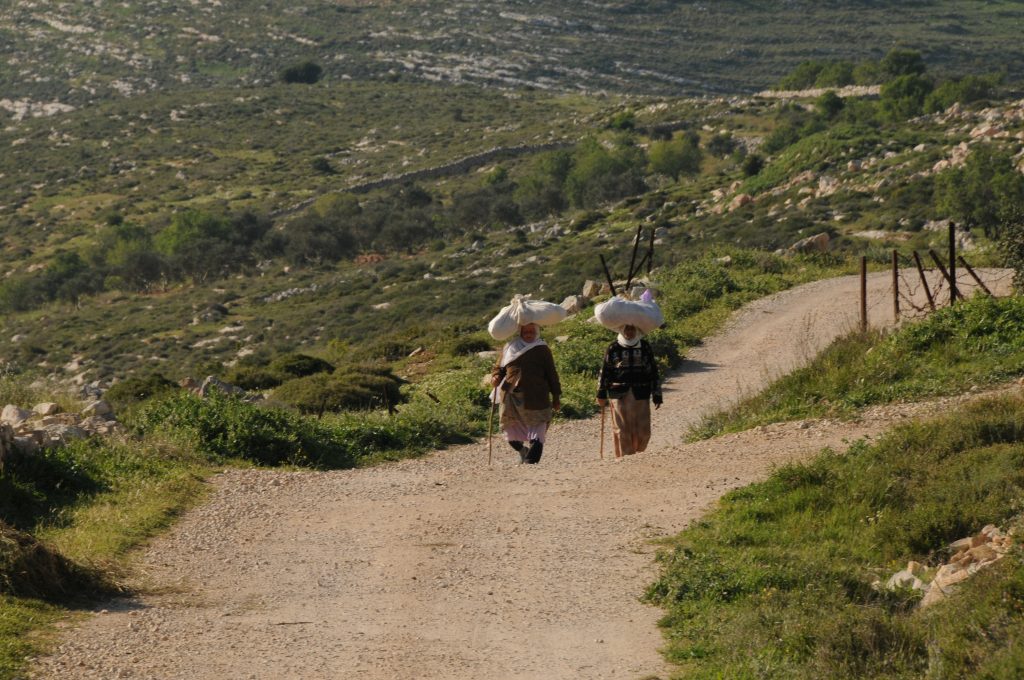
Women in Assira Ash-Shamaleyya gathering wild herbs for making zataar’.
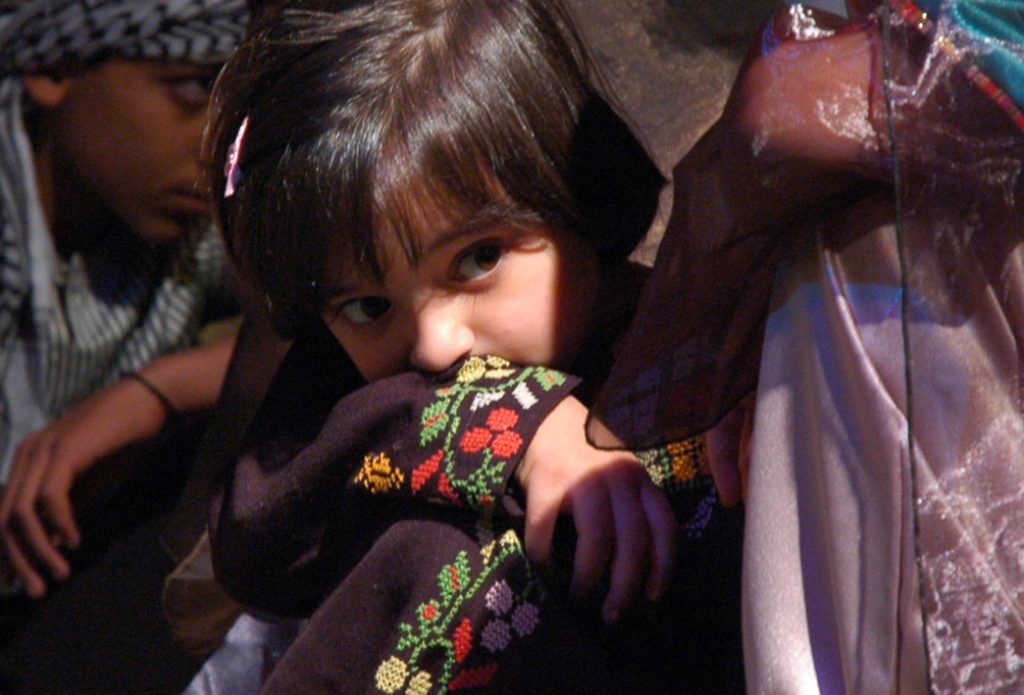
A young girl hides during a cultural event in Askar refugee camp.
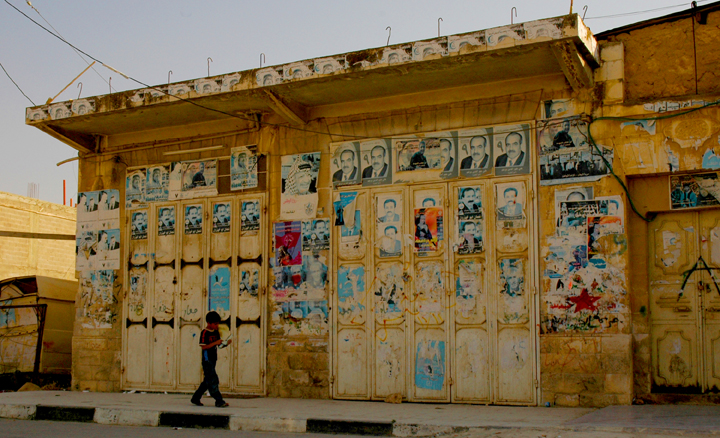
A child walks past a wall covered in faded posters. Images of martyrs and political leaders are frozen still in time as reminders of the drawn out yet always uncertain situation.
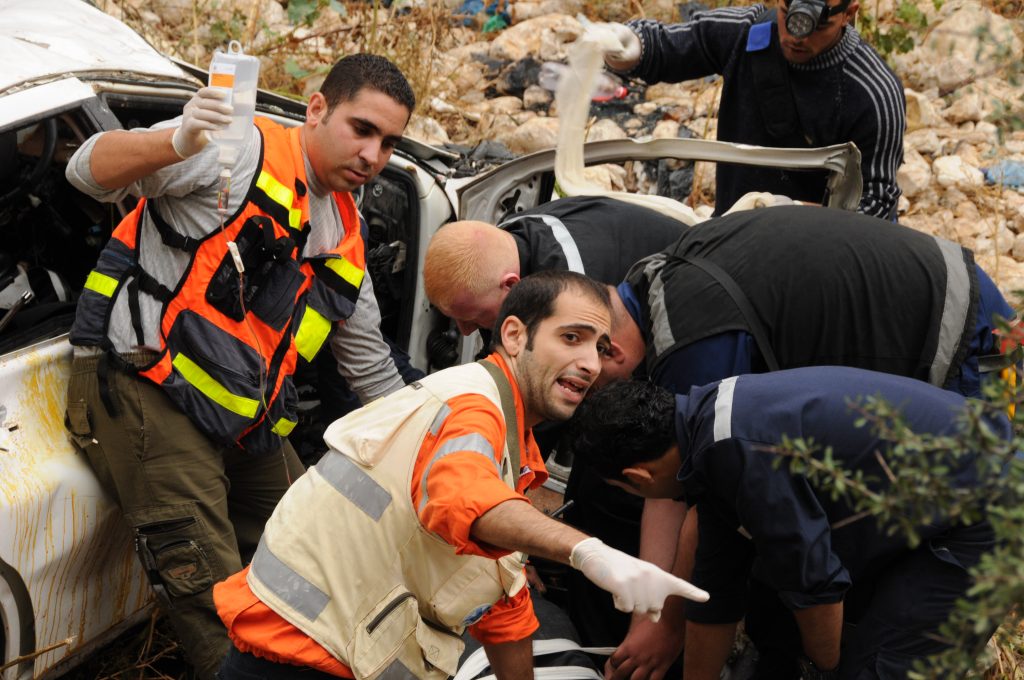
Medical relief volunteers respond to an accident during clashes. Frequent periods of siege and closure of roads isolate most communities and most severely remote villages. Regular violence from Israeli settlers attempting to displace villagers increases physical and psychological health problems in communities which are constantly under threat. Because ambulances are frequently not allowed to pass checkpoints or go to areas affected by violence, some volunteers stay in village overnight and train local residents in medical aid in order to respond to emergencies.
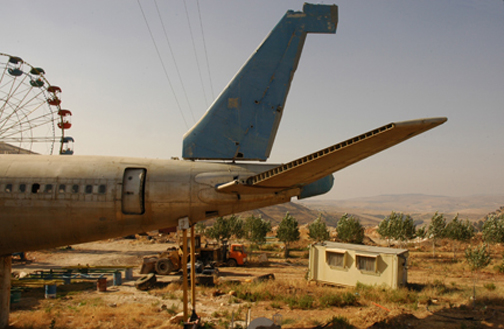
An airplane to nowhere. During the Oslo process of the 1990s, many Palestinians had hopes for a prolonged calm and a future full of neoliberal illusions of prosperity. It was explained to me that this empty body of a retired airplane was bought from an Israeli airline during this period by two brothers who had ambitions to turn it into a restaurant. The location is situated on a cliff east of Nablus city overlooking the Jordan Valley and is used by families as a recreational area. Following the outbreak of the second intifada in 2000, the area was frequently declared a closed military zone. The plane sits against the landscape unchanging over the years.
Control over every aspect of daily activities and rendering everyday life uncertain and difficult to navigate are interpersonal aspects of colonialism, denying the native of belonging or even agency in their own lives. Yet through community support activities, artistic expression, remaining rooted in the land or longing to return from diaspora, Palestinians enact sumud, often translated as steadfastness, which is both a collective and personal practice. Sumud as a concept creates meaning in negotiating the difficulties of everyday life and getting by, producing agency through acts of resilience.
As the destruction of Gaza since October 2023 has dragged on, settler-colonial violence and displacement in the West Bank have increased exponentially. Solidarity movements around the world have emerged drawing attention to the Palestinian struggle and awareness of the realities of their everyday lives. Globally and in communities as far east as Japan, Palestine has united and driven movements and created networks between people which otherwise would not have existed. On the ground in Palestinian communities there seems to be a common feeling of bleakness as well as strength. There is both fear and acknowledgment that events such as the more recent war on Iran will, among other things, lay cover for further ethnic cleansing and displacement of Palestinians. At the same time, the landscape remains largely still and unchanging, a backdrop for grassroots struggle, continued sumud and a symbol for communities and movements around the world.
Joshua Rickard
リカード文化人類学研究室, Kumamoto
